
If you’re searching for mold remediation services in Chattanooga, you’re likely dealing with something that doesn’t feel right inside your home. Maybe it’s a damp smell in the basement after heavy rain, or a dark spot that keeps showing up near a ceiling vent. In Hamilton County and surrounding areas like Hixson, Signal Mountain, and East Ridge, moisture issues are common, and mold tends to follow closely behind.
Knowing how mold forms, how it spreads, and how professional remediation works gives you a clear path forward when your property needs attention.
Understanding Mold Problems in Chattanooga Homes
Mold grows when moisture lingers on surfaces long enough to support it. Inside homes across Chattanooga, materials like drywall, wood framing, and insulation provide the perfect environment when water is present.
This is more than a surface issue. Mold indicates that moisture has been trapped where it should not be. Industry standards connect microbial growth directly to unresolved water intrusion and incomplete drying after a water event .
In Tennessee’s humid climate, especially during warm months and after storms, moisture can stay hidden in wall cavities, crawlspaces, and basements, allowing mold to develop quietly.
Common Causes of Mold Growth in Hamilton County Properties
In Chattanooga and nearby communities like Soddy-Daisy and Red Bank, mold often starts with everyday issues. A small plumbing leak under a sink. Condensation buildup in a crawlspace. A roof leak after a storm rolling through the Tennessee Valley.
Older homes with basements or crawlspaces are especially prone to moisture accumulation. When ventilation is limited, humidity builds up and creates conditions where mold can thrive.
A small repair delay can change the situation quickly. Moisture spreads through materials, and what started as a minor issue becomes a larger remediation project.
Health Concerns Linked to Mold Exposure
Mold affects indoor air quality, and that impact shows up in how people feel inside their homes. Some notice irritation in their throat or eyes. Others deal with ongoing congestion or fatigue that doesn’t seem to go away.
In Chattanooga homes, families often connect these symptoms to hidden mold once an inspection is completed. Children, older adults, and those with sensitivities tend to feel the effects more quickly.
Air circulation increases exposure. When HVAC systems move air through the home, particles can travel from one room to another. That’s why containment and filtration are part of professional remediation.
Signs Mold May Be Present in Your Home
Visible signs often include discoloration, dark spotting, or warped materials. These are usually tied to areas where moisture has been sitting.
Hidden mold tells a different story. A musty odor that lingers, or allergy-like symptoms that improve when you leave the home, often point to something behind walls or under flooring.
Mildew stays on the surface and is easier to clean. Mold penetrates deeper into materials, which changes how it needs to be addressed.
Why Professional Mold Remediation Changes the Outcome
Cleaning what you see does not address the source. Without identifying moisture and managing contamination properly, mold returns.
Professional remediation follows standards like ANSI/IICRC S520, which guide how contamination is contained, removed, and cleaned safely .
At Rytech Restoration of Greater Chattanooga, the process starts with identifying the moisture source. Containment systems protect unaffected areas, while specialized equipment helps remove contamination and stabilize the environment. The goal stays focused on restoring what can be saved and removing what cannot.
How Mold Inspection and Testing Defines the Scope

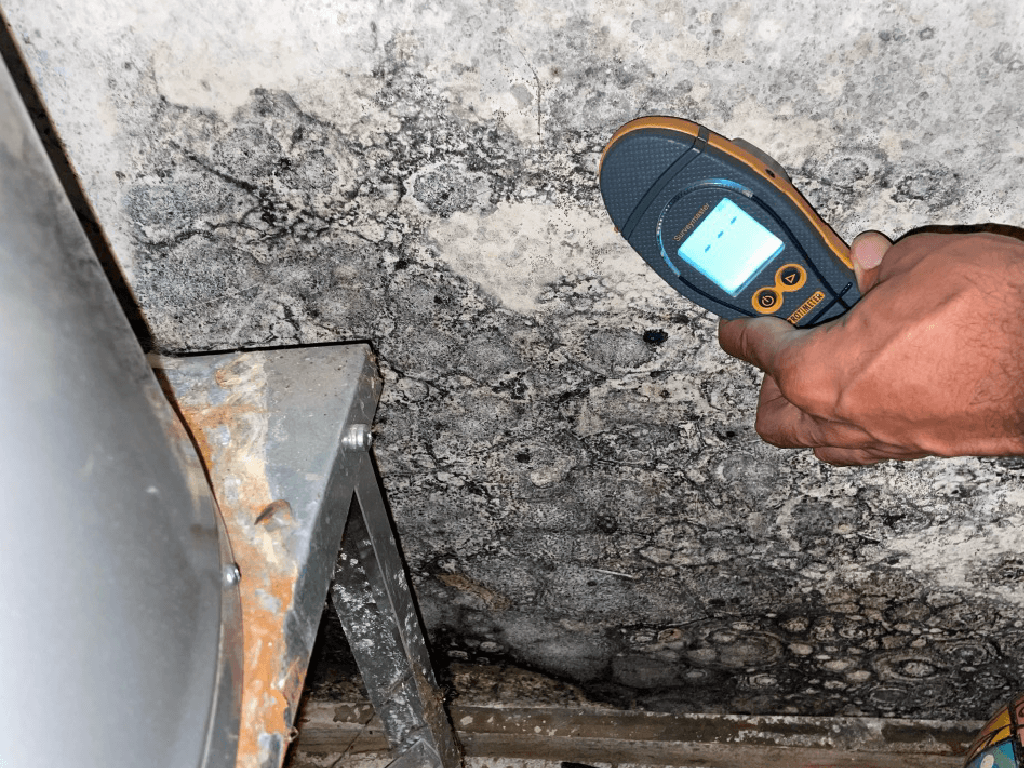
Before any work begins, the situation needs to be fully understood. Visual inspections provide clues, but moisture detection tools reveal what’s happening beneath the surface.
Technicians measure moisture levels in walls, floors, and ceilings. In some cases, air sampling or surface testing helps define the extent of contamination, especially in larger homes or commercial properties.
This step creates a clear plan so no affected area is overlooked.
What Happens During the Mold Remediation Process
The process begins with containment. Barriers and negative air pressure systems isolate the affected space, preventing contamination from spreading.
Air filtration devices capture airborne particles while work is underway. Materials that cannot be restored are carefully removed, while structural components are cleaned using professional methods designed to reduce contamination.
Throughout the process, documentation remains detailed. Photos, readings, and updates provide clarity for property owners and insurance partners.
Timeline and What You’ll Experience
The timeline depends on the size and severity of the issue. A small, contained area may take a few days. Larger properties in Chattanooga or commercial buildings in Cleveland or Dalton may require more time.
Clear communication keeps the process moving smoothly. You’ll know what’s happening, what comes next, and how progress is being made.
Post-Remediation Verification and Indoor Air Quality
After remediation, the focus shifts to confirming results. The goal is to return the indoor environment to a normal condition.
Post-remediation verification may include third-party indoor air quality testing when needed. Industry practices emphasize confirming that contamination has been addressed effectively before normal occupancy resumes .
Understanding Costs and Insurance Support
Costs vary based on how far mold has spread, the materials involved, and the size of the affected area. Many mold situations originate from a water event such as a pipe break or appliance leak.
For homeowners and property managers, the insurance process may feel unfamiliar. Rytech Restoration of Greater Chattanooga works alongside insurance carriers and adjusters, providing detailed documentation and helping guide the process from start to finish.
DIY Mold Removal Compared to Professional Help
Small surface areas might be manageable with proper cleaning, but deeper contamination requires a structured approach. Without containment and proper removal, spores spread and affect other areas.
Professional remediation brings training, equipment, and a defined process together. That combination addresses both the visible mold and the underlying moisture condition.
Preventing Mold from Returning in Chattanooga Homes
Moisture control drives prevention. Regular inspections, proper ventilation, and quick response to leaks all help reduce the risk of mold returning.
In Chattanooga homes, crawlspace moisture control and attic ventilation make a noticeable difference. Managing humidity indoors helps maintain a stable environment.
Smart Improvements for Long-Term Protection
Upgrading materials in moisture-prone areas helps reduce future risk. Mold-resistant drywall, improved insulation, and ventilation systems support better indoor conditions.
These improvements limit how moisture interacts with building materials over time.
Safety Standards That Guide Mold Remediation
Mold remediation follows established guidelines designed to protect both occupants and technicians. The ANSI/IICRC S520 standard provides the framework for handling contamination safely and effectively These standards guide every step, from containment setup to final verification.
Choosing the Right Mold Remediation Partner in Chattanooga
Local experience matters, especially in a region with high humidity and varied building types. Homes across Hamilton County often include crawlspaces, basements, and materials that respond differently to moisture.
“In Chattanooga, we see mold tied closely to crawlspace moisture and storm-related water intrusion. Many homes have areas where moisture can sit unnoticed, and that’s where problems start. Our team focuses on finding the source first and controlling the environment so homeowners get lasting results.”
Ralph Falavinha, Owner, Rytech Restoration of Greater Chattanooga
Preparing Your Home Before and After Remediation
Before remediation begins, clearing access to affected areas helps technicians move efficiently. During the process, keeping family members and pets away from containment zones maintains safety.
After the work is complete, monitoring humidity levels and staying alert to new moisture issues helps protect your home.
Local Experience Across Chattanooga and Surrounding Areas
From residential homes in Chattanooga to commercial properties in Cleveland, Dalton, and Fort Oglethorpe, every structure presents unique challenges. Local knowledge helps identify moisture patterns and solutions faster.
If you’re dealing with a mold concern, explore professional mold remediation services in Chattanooga and see how a structured, science-based approach restores your property and indoor environment.
Get Inspected to Stay Protected
If something feels off in your home, whether it’s a smell, a stain, or concern after water damage, taking action early limits how far the issue spreads.
FAQs About Mold Remediation in Southeast Tennessee and North Georgia
Worried About Mold Remediation in Southeast Tennessee and North Georgia?
You're not alone. Many homeowners and property managers are looking for trusted guidance to protect their properties and maintain safe, healthy indoor environments. To make things easier, we've put together answers to some of the most common questions about the mold remediation process, timelines, and what to expect when you call in the professionals.


