
In Chattanooga’s humid Tennessee Valley climate, mold can develop faster than most property owners realize. Between heavy spring rains, high summer humidity, and the occasional basement or crawlspace leak, homes and businesses across Hamilton County are constantly exposed to moisture—the root cause of mold growth.
At Rytech Restoration of Greater Chattanooga, we understand how moisture affects building materials in our region’s unique climate. Our IICRC-certified mold remediation technicians in Chattanooga follow the ANSI/IICRC S520 Standard for Professional Mold Remediation, using advanced containment, filtration, and drying science to restore clean, healthy environments for homeowners, property managers, and commercial clients alike.
What Causes Mold Growth in Chattanooga Homes and Buildings
Mold growth starts when moisture and organic materials combine. In Chattanooga and nearby communities like East Ridge, Signal Mountain, and Cleveland, common causes include leaking roofs, poor ventilation, plumbing failures, and flooding after seasonal storms.
Crawlspaces and basements are frequent problem areas because of the region’s natural humidity and clay-based soil, which holds water. Early detection of leaks, condensation, or musty odors can prevent small moisture issues from becoming larger contamination problems.
Health Risks Linked to Mold Exposure
Mold impacts indoor air quality and can cause health problems if not remediated properly. Short-term exposure may lead to sneezing, skin irritation, or headaches, while long-term exposure can worsen asthma or respiratory conditions.
Children, older adults, and those with immune sensitivities are particularly at risk. A professional remediation process significantly reduces airborne spores, helping restore comfort and safety indoors.
Signs You May Have a Mold Problem
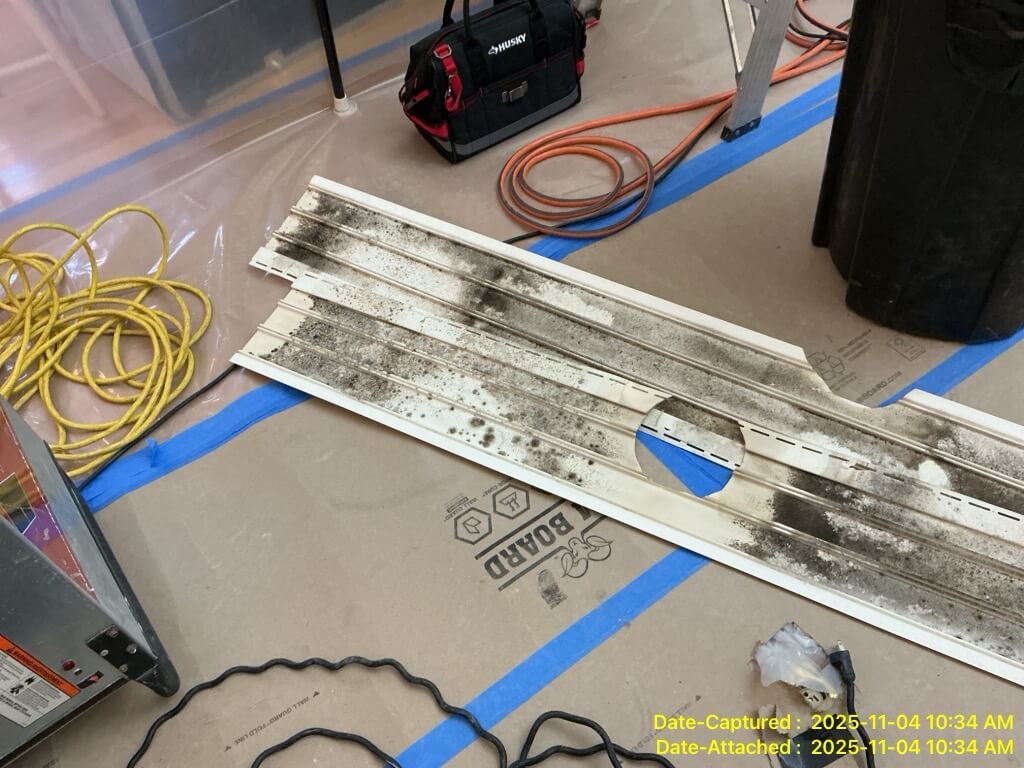
Chattanooga residents often detect mold by smell before they see it. Persistent musty odors, dark stains on ceilings or drywall, and visible growth around windows or baseboards are warning signs.
Other indicators include discolored paint, bubbling wallpaper, or an increase in allergy-like symptoms while indoors. When these signs appear, a mold inspection should be your next step.
Professional Mold Inspection and Testing
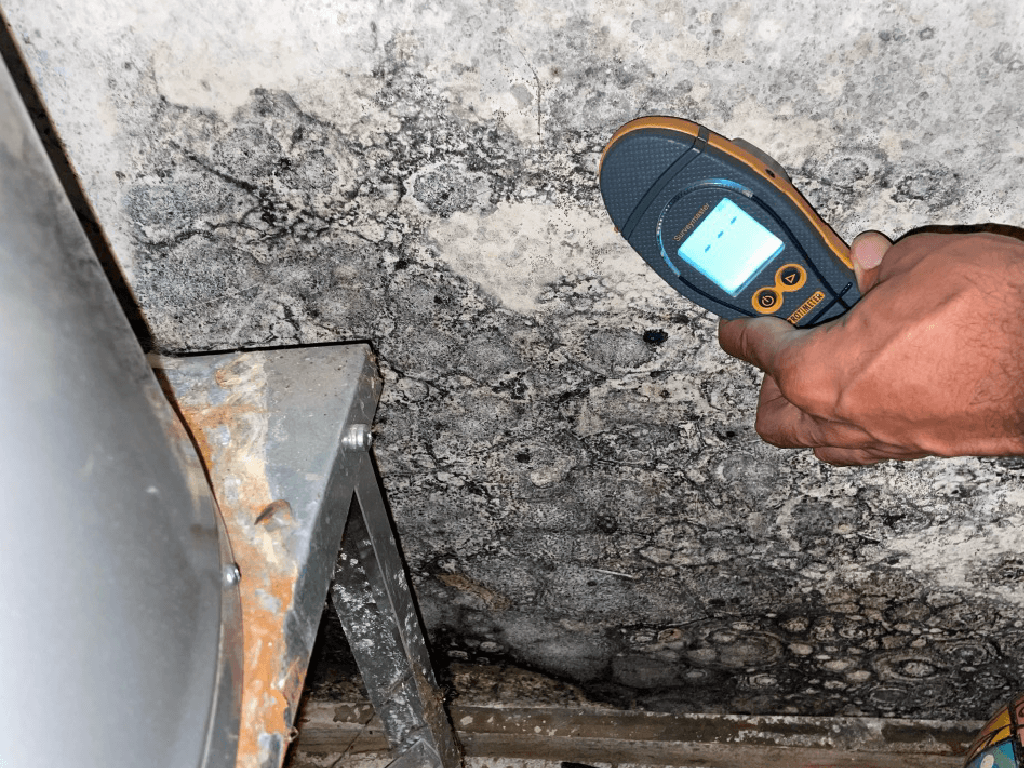
A mold inspection helps determine how far contamination has spread and what’s causing it. Rytech technicians use moisture meters, thermal imaging cameras, and hygrometers to locate hidden dampness behind walls and floors.
In some cases, air and surface sampling can help identify mold types and concentrations. This data guides remediation efforts and helps ensure compliance with IICRC S520 professional standards.
Step-by-Step Overview of the Mold Remediation Process
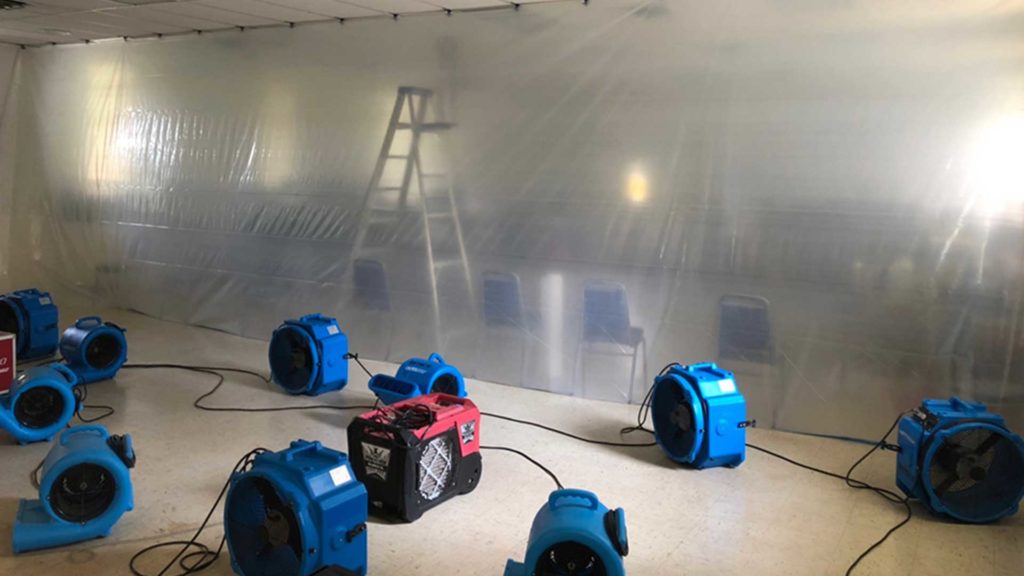
The professional mold remediation process is precise, documented, and designed to prevent cross-contamination. Rytech Restoration of Greater Chattanooga follows this sequence:
- Inspection and Assessment – Identify moisture sources and contamination levels.
- Containment – Seal off affected areas with barriers and negative air pressure.
- Air Filtration – Use HEPA air scrubbers to remove airborne spores.
- Mold Removal – Clean or safely remove affected materials.
- Cleaning and Sanitization – Wipe and disinfect surfaces to eliminate residual spores.
- Drying and Dehumidification – Remove all moisture to prevent recurrence.
- Post-Remediation Verification – Inspect and document that remediation was successful.
Each step follows the ANSI/IICRC S520 and S500 frameworks to ensure safety, compliance, and transparency.
Containment and Air Filtration Techniques
Containment prevents the spread of spores during cleanup. Rytech’s team uses plastic sheeting, sealed doorways, and negative air pressure machines to create controlled environments.
At the same time, HEPA-filtered air scrubbers continuously capture airborne particles to maintain clean air throughout the process. These techniques are especially valuable for multi-story homes and commercial buildings in downtown Chattanooga, where HVAC systems can easily circulate contaminants.
Mold Removal Tools and Methods
Mold removal requires specialized tools and expertise. Our technicians rely on HEPA vacuums, wire brushes, and industrial-grade antimicrobial cleaners to remove contamination safely.
When materials like drywall or insulation can’t be restored, they’re carefully removed and disposed of according to environmental regulations. Every step is documented for insurance and compliance records.
Drying and Dehumidification
Effective drying is the foundation of lasting remediation. Chattanooga’s high humidity can make drying tricky, but professional-grade dehumidifiers and air movers help restore equilibrium moisture content to structural materials.
Technicians monitor temperature, humidity, and moisture readings throughout the process to confirm the environment is stabilized, following IICRC S500 Water Damage Restoration standards.
Preventing Future Mold Growth
Moisture prevention is key. To keep mold from returning, property owners should:
- Repair roof and plumbing leaks immediately.
- Improve airflow in crawlspaces and bathrooms.
- Use dehumidifiers during humid summer months.
- Schedule regular property inspections after storms or floods.
Proactive maintenance and moisture control save time, reduce costs, and preserve indoor air quality.
When to Hire Certified Mold Remediation Professionals
Professional help ensures the job is done correctly and safely. Certified technicians follow strict procedures, use advanced equipment, and provide documentation for insurance or property records.
“In Greater Chattanooga, older homes and new builds face different types of moisture issues,” says Ralph Falavinha, owner of Rytech Restoration of Greater Chattanooga. “Our team understands how Tennessee’s climate affects every structure—from crawlspace condensation in older homes to HVAC leaks in commercial buildings—and we know how to handle each with precision.”
Ralph Falavinha, Owner, Rytech Restoration of Greater Chattanooga
Hiring certified professionals ensures compliance, efficiency, and protection for both occupants and property investments.
Understanding the Cost of Mold Remediation
Remediation costs depend on the size of the affected area, contamination level, and materials involved. Residential mold cleanup can range from smaller isolated cleanups to full-structure containment projects for larger commercial properties.
Rytech Restoration provides transparent estimates and clear communication throughout the project, ensuring there are no surprises along the way.
Insurance Coverage for Mold Damage
Homeowners’ and commercial insurance policies often cover mold remediation when the mold results from a sudden and accidental water event—such as a burst pipe or flooding.
Rytech helps clients document every step of the process, from moisture detection to final verification, supporting both property owners and adjusters with accurate claim details.
Post-Remediation Verification and Clearance Testing
Once remediation is complete, a post-remediation verification (PRV) ensures that the cleanup meets required standards. Independent air or surface sampling may be conducted to confirm the property’s environment is clean and safe.
This final step provides reassurance that remediation has been performed effectively and the space is ready for reoccupation.
DIY vs. Professional Mold Remediation
While small, surface-level mold issues can sometimes be cleaned by homeowners, larger infestations require professional intervention. Without proper containment and filtration, DIY efforts often spread spores and worsen the problem.
Certified professionals bring experience, specialized tools, and safety measures that ensure the issue is fully resolved.
Legal and Regulatory Compliance in Tennessee
Tennessee’s building and environmental regulations require mold remediation professionals to follow ANSI/IICRC standards for containment, removal, and drying. Rytech Restoration adheres to these standards to ensure every project meets legal and safety expectations, protecting both the property and its occupants.
Get Inspected to Stay Protected
Whether you’re a homeowner in Hixson, a property manager in East Ridge, or a commercial business owner in downtown Chattanooga, Rytech Restoration of Greater Chattanooga provides the expertise and technology to restore clean, safe indoor environments.
If you suspect mold growth, don’t wait—get inspected to stay protected.
FAQs About Mold Remediation in Southeast Tennessee and North Georgia
Worried About Mold Remediation in Southeast Tennessee and North Georgia?
You're not alone. Many homeowners and property managers are looking for trusted guidance to protect their properties and maintain safe, healthy indoor environments. To make things easier, we've put together answers to some of the most common questions about the mold remediation process, timelines, and what to expect when you call in the professionals.


